
PTSD and Addiction Treatment in Yuba City
Healing From Trauma and Addiction, Together
We work on PTSD and substance use in the same plan, at a pace you can handle, so you’re not left managing one while the other goes untreated.
A real person answers 24/7, and same-day admission is often possible.
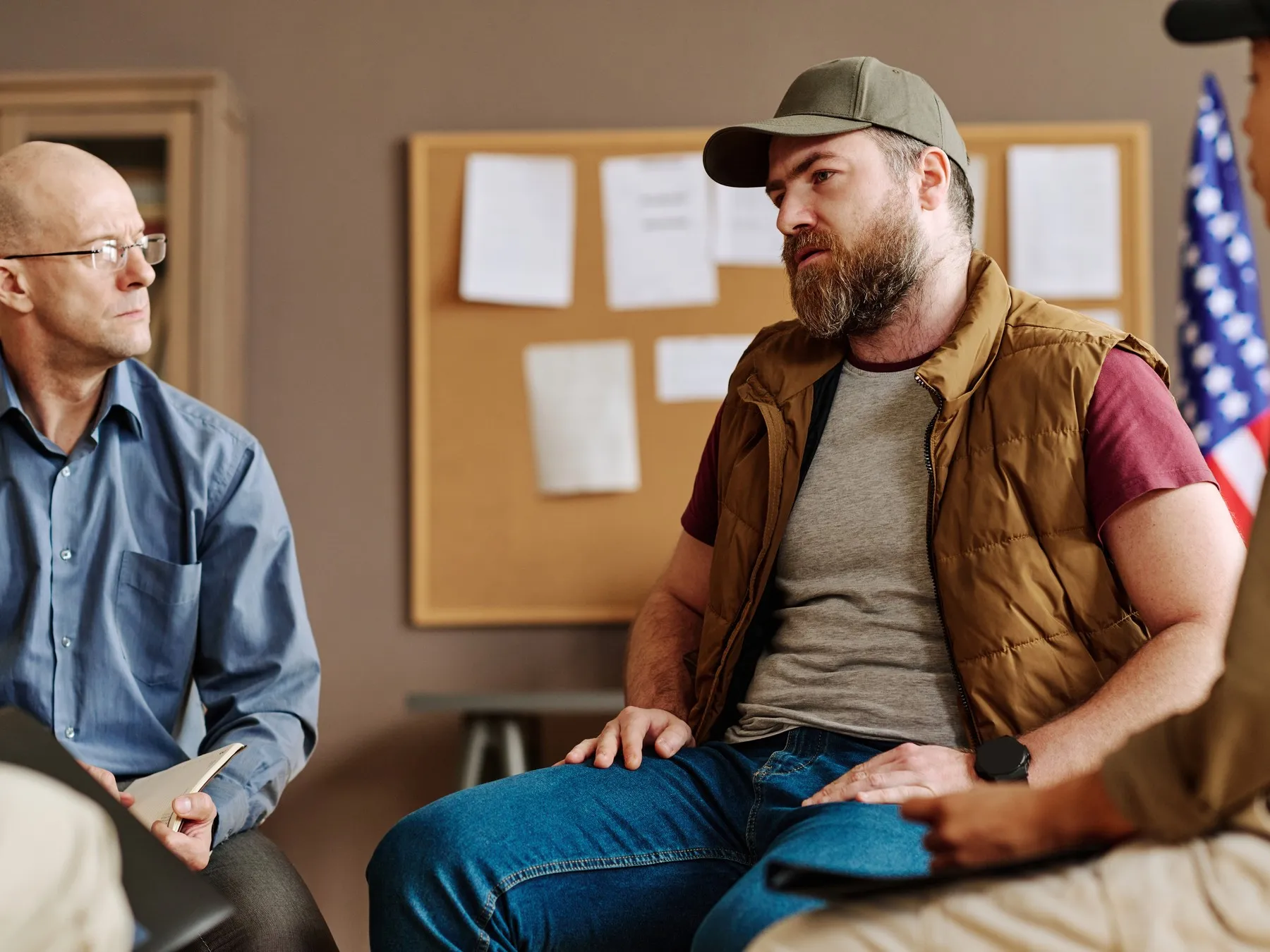
Trauma can come from combat, an accident, abuse, violence, a sudden loss or anything that made you feel your life or safety was at risk. Long after it’s over, the body and mind can keep reacting as if it’s still happening. Alcohol and drugs can seem to turn the volume down. For a while, they do. Then they become a second problem stacked on top of the first.
According to the National Institute of Mental Health, PTSD symptoms usually begin within 3 months of a traumatic event, though sometimes later, and are diagnosed when they last longer than a month and get in the way of daily life, like relationships or work.
What PTSD Can Look Like
NIMH describes four kinds of symptoms. You don’t have to have all of them for trauma to be affecting your life.
- Reliving
Re-experiencing
Flashbacks, nightmares, or memories that hit with a racing heart or sweating, as if it’s happening again.
- Avoiding
Staying away
Avoiding places, people, thoughts or feelings that bring the event back.
- On edge
Arousal and reactivity
Being easily startled, tense, angry or unable to sleep or concentrate.
- Mood
Thinking and feeling
Guilt, blame, losing interest in things you enjoyed, or feeling distant from the people you love.
Why Trauma and Substance Use Go Together
Some people drink or use to sleep, to quiet the memories or to feel less on edge. For others, substance use came first and made trauma symptoms harder to live with. The VA National Center for PTSD reports that among Veterans, those who have had PTSD are twice as likely to have alcohol problems, and three times as likely to have drug problems, as those who haven’t.
However the two got tangled, each can keep the other going, which is why trauma and addiction treatment happen together here, as part of your residential plan. That approach is often called dual diagnosis care.
You Set the Pace
Groups here focus on skills like emotional regulation, anger management and grief, not on retelling what happened. When and how you talk about your trauma is something you and your clinician work out together, privately, as you’re ready.
A lot of the people we treat are carrying something heavy that happened long before they ever picked up a drink or a drug. We don’t rush anyone to talk about it. We give them a safe place and the right people, and we let healing happen at their pace.
How We Treat PTSD Here
A clear diagnosis
Every client receives a psychiatric evaluation from our physician assistant, who recommends medication if it could help and follows up closely.
Trauma work with our psychologist
Depending on your needs, you may work one on one with Dr. Jason Wilson, our Clinical Director and psychologist, who uses approaches including brainspotting when they fit.
Skills for hard moments
Groups on emotional regulation, anger management and grief help with what trauma stirs up day to day.
A calmer body
Vibroacoustic therapy and mindfulness may help you feel calmer when your body is always on alert.
Treatment won’t erase what happened. What it can do is help you build ways to manage the symptoms, cope with hard moments without a drink or a drug, and plan for the support that comes next. Before you leave, your counselor helps you build a discharge plan, which may include a partial hospitalization program, intensive outpatient care or sober living. For many people with PTSD, ongoing trauma-focused therapy after treatment is an important part of that plan.
For Veterans Living With PTSD
Dr. Wilson served 21 years as a Naval Flight Officer, and our Veterans Clinical Liaison, Cory Renfrow, is a combat Veteran. If military service is part of your story, you’ll be working with people who understand it.

For Partners and Families
Living with someone who has PTSD and is drinking or using can be exhausting and frightening. You can call us yourself. We’ll help you understand what they’re going through and how to encourage them to get help, and family sessions can help everyone heal together.
Getting Started
When you call, someone on our admissions team will listen and ask a few questions. You won’t be asked to explain your trauma on that first call. A confidential phone assessment with our team takes about 30 minutes, we’ll handle the insurance check for you, and same-day admission is often possible.
Questions About PTSD and Addiction Treatment
Do I have to talk about my trauma in group?
Groups focus on skills like emotional regulation and anger management rather than retelling what happened. How and when you talk about your trauma is worked out with your clinician, privately.
What is brainspotting?
Brainspotting is a focused therapy that uses where you look to help access and process difficult feelings and memories. Our psychologist, Dr. Jason Wilson, provides it here.
Can I get help if I’m not sure it’s PTSD?
Yes. Every client receives a psychiatric evaluation, so we can understand what’s going on and treat it properly.
Do you treat Veterans?
Yes. Our team includes a 21-year Navy Veteran psychologist and a combat Veteran who serves as our Veterans Clinical Liaison.
Google reviews