
Addiction Treatment for Veterans in Yuba City
Care From People Who Have Served
Part of our team knows military life firsthand, including a 21-year Navy Veteran on our clinical team and a combat Veteran who serves as our Veterans Clinical Liaison.
A real person answers 24/7, and same-day admission is often possible.
Clinically reviewed by Dr. Jason Wilson, PsyD, LPC, Clinical Director
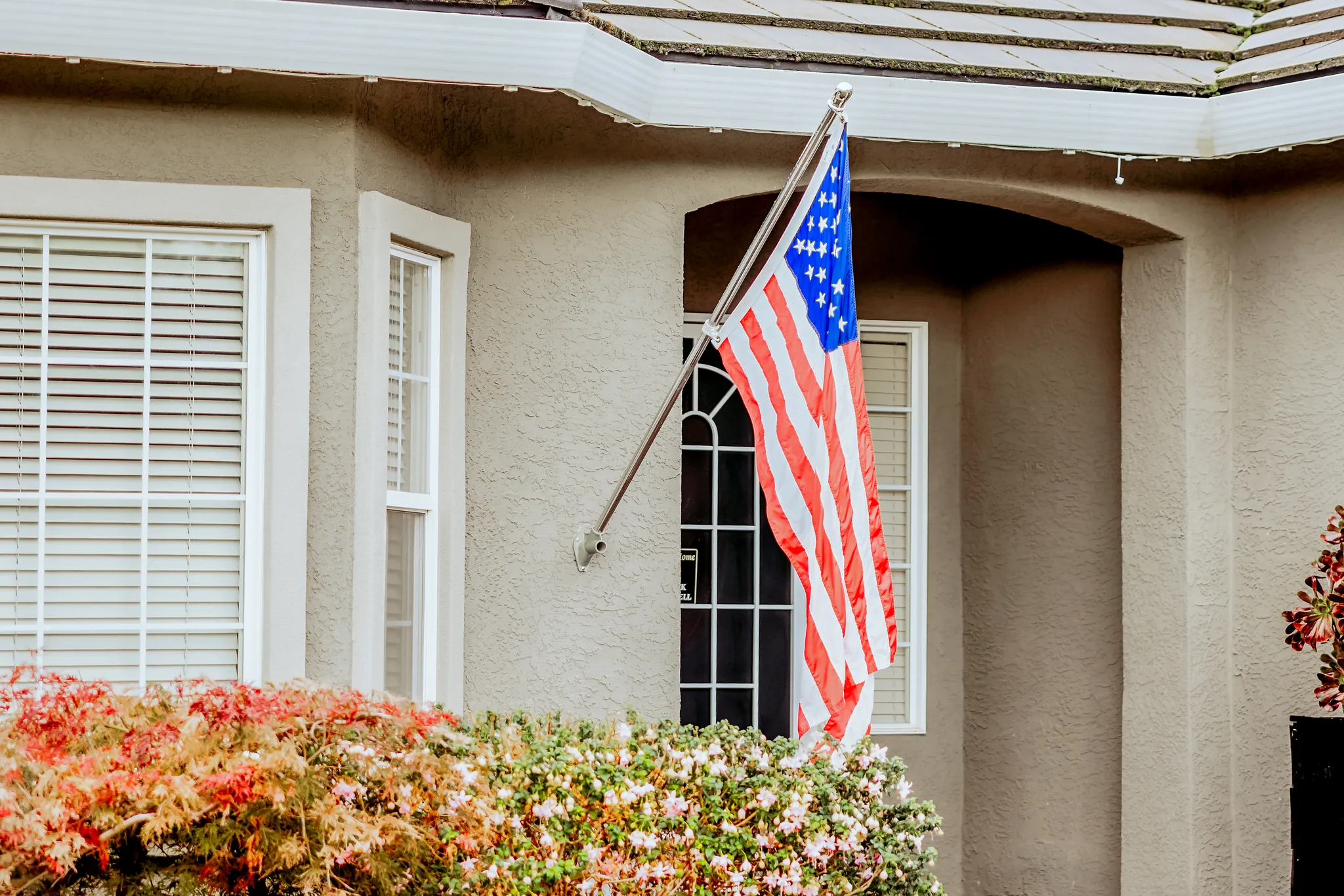
Veterans on Our Team
Including a 21-year Navy Veteran
Help With VA Benefits
VA Community Care and TRICARE
Six Clients at a Time
Personal care, never a crowd
You spent years looking out for the people beside you. Treatment here is a chance to let someone do the same for you, in a place where the people caring for you understand what service asks of a person and what it can leave behind.
Whether it’s alcohol, prescription pills, opioids or other drugs, Butte Horizon offers detox and residential addiction treatment for Veterans in a comfortable Yuba City home. When PTSD, depression, anxiety or other mental health concerns are part of the picture, we treat them alongside the substance use, in the same plan.
There’s no single Veteran story. For some, drinking crept up during the move back to civilian life. For others, it started as a way to sleep, to take the edge off stress or to quiet memories that won’t settle. Whatever brought you here, you don’t need a diagnosis or a reason that sounds big enough to call.
Who You’ll Work With
A lot of Veterans put off treatment because they don’t want to sit across from someone who has never served. Here, part of your care team has, so you don’t have to start every conversation from scratch.
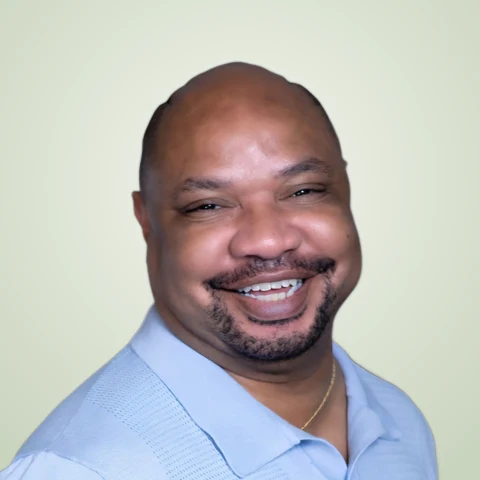
Dr. Jason Wilson, PsyD, LPC
Clinical Director
Served 21 years as a Naval Flight Officer before becoming a psychologist. He works one on one with Veterans, including through brainspotting, and is our preferred clinician for combat Veterans living with PTSD.

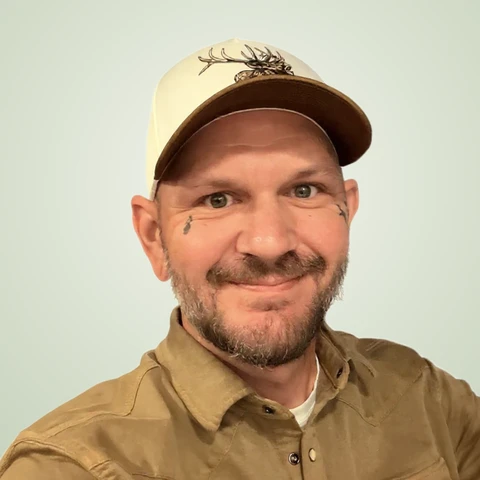
Cory Renfrow
Veterans Clinical Liaison
A combat Veteran and a person in recovery who is passionate about helping Veterans get into treatment and build lasting recovery. He brings a kind of understanding that can’t be taught.
Dr. Bobby Singh, our Medical Director, brings Stanford training and double board certification in internal medicine and addiction medicine to his medical oversight of the program. Meet the full team
Talk With Someone Who Gets It
Call or text any time. A real person will answer, listen to what’s going on and help you figure out your next step.
Signs It May Be Time to Reach Out
- Drinking more than you used to, or on more days than not
- Drinking or using to fall asleep, or to keep the nightmares away
- Feeling cut off since leaving the military, or pulling away from family and friends
- Anger or stress that shows up faster and hotter than it used to
- Needing more to get the same effect
- Promising yourself you’ll cut back, then not being able to
If even one of these sounds familiar, it’s worth a conversation. Calling doesn’t commit you to anything. It simply connects you with a caring voice who can help you decide on the best next step.
How Treatment Works
Your plan is built around what you’re facing. Depending on your situation, it can include:
- Detox, if withdrawal needs to be managed
- Residential treatment with a full daily schedule
- A psychiatric evaluation for every client, with medication when it’s recommended
- One-on-one sessions with a certified addiction counselor, and trauma-focused work with Dr. Wilson when it’s needed
- Daily groups, kept intimate, on topics like anger management, grief and loss, emotional regulation and mindfulness, plus an evening 12-Step group
- Family sessions to help the people at home support you
- A discharge plan that sets you up for life after treatment
When PTSD or Trauma Is Part of It
Not every Veteran has PTSD, but when it’s there, it often travels with substance use. According to the VA National Center for PTSD, Veterans who have had PTSD are 2 times more likely to have problems with alcohol and 3 times more likely to have problems with drugs than Veterans who have not.
When trauma is part of what you’re carrying, it’s part of your plan from the start. You set the pace, and nobody will ask you to tell your story in front of a room before you’re ready. Learn more about PTSD and addiction treatment.
A Quiet Place to Reset, Close to Beale
There are no barracks here and no hospital ward. Butte Horizon is a house in a quiet Yuba City cul-de-sac, with no more than two people to a room and a TV and headphones of your own for the nights sleep is hard to come by. Out back, there’s a pool and a hot tub. With only six clients at a time, nobody gets lost in the shuffle. See the home
We’re a short drive from Beale Air Force Base and serve Veterans throughout Yuba-Sutter. Whether you served at Beale or came home here after leaving the military, help is close by.
For Spouses and Families
If you’re worried about a Veteran in your life, you can call us yourself. We’ll walk you through the options and help you plan how to talk with them. Once they’re in treatment, family sessions by phone or in person help everyone heal together.
Using Your VA Benefits or TRICARE
Butte Horizon is in the process of joining the TriWest Healthcare Alliance network. TriWest manages the VA’s community care network in our part of the country and runs the TRICARE West Region. Until our enrollment is complete, call us and we’ll talk through your options with you.
If you get your health care through the VA, community care has a few requirements. According to the U.S. Department of Veterans Affairs, you need to be enrolled in or eligible for VA health care and have approval from your VA health care team before you start care with a community provider, except in situations like urgent or emergency care. Talking with your VA provider about residential addiction treatment is a good first step. If you have TRICARE, coverage depends on your plan. Either way, call us and we’ll check your benefits and explain the next steps.
How to Get Started
Admissions run 24/7. After a confidential phone assessment that usually takes about 30 minutes, we can often arrange admission the same day and help with transportation if you need it. Whether you’re using VA community care, TRICARE or other insurance, we’ll check your benefits and explain what your plan covers. Verify your insurance online, or call (530) 755-6990.
Common Questions From Veterans
Is treatment confidential?
Yes. Records of substance use treatment are protected by federal privacy rules, and we don’t share your information without your written consent, except in the limited situations the law requires.
Can I use my VA benefits at Butte Horizon?
We’re in the process of joining TriWest’s network for VA Community Care, and that enrollment isn’t complete yet. Community care also requires being enrolled in or eligible for VA health care and having approval from your VA health care team before starting. Call us and we’ll talk through your options.
Can I use TRICARE at Butte Horizon?
We’re in the process of joining TriWest’s network for TRICARE West. In the meantime, coverage depends on your plan, and we’ll check your benefits for you.
Do I need a PTSD diagnosis to come here?
No. This program is for Veterans struggling with alcohol or drugs, whether or not trauma is part of the picture. Every client receives a psychiatric evaluation, so we can understand what’s going on.
What if I’m not sure I need residential treatment?
Call anyway. We’ll ask a few questions and give you an honest recommendation, even if that means pointing you somewhere that’s a better fit.
Google reviews