
Drug and Alcohol Detox in Yuba City
Withdrawal Managed by a Team That’s Here Around the Clock
We get you through withdrawal with a medication plan built for you and regular checks on how your body is responding.
A real person answers 24/7, and same-day admission is often possible.
Clinically reviewed by Dr. Bobby Singh, Medical Director

Staffed 24/7
Including weekends and holidays
A Plan Built for You
Set by our medical provider
Checked Throughout
Vital signs and withdrawal scoring
Detox is the first stretch of getting off alcohol or drugs: the days when your body adjusts to the substance being gone and withdrawal needs to be managed. For many people, it’s the part they fear most and the reason they keep putting off help. Our job during detox is to keep you safe, keep you as comfortable as possible and watch closely for any change.
Butte Horizon is licensed by the California Department of Health Care Services, including Incidental Medical Services, and our detox is designated ASAM Level 3.2-WM, clinically managed residential withdrawal management. At Butte Horizon, that means regular withdrawal monitoring and medical and nursing professionals available on call for consultation and clinical direction.
Who’s With You During Detox
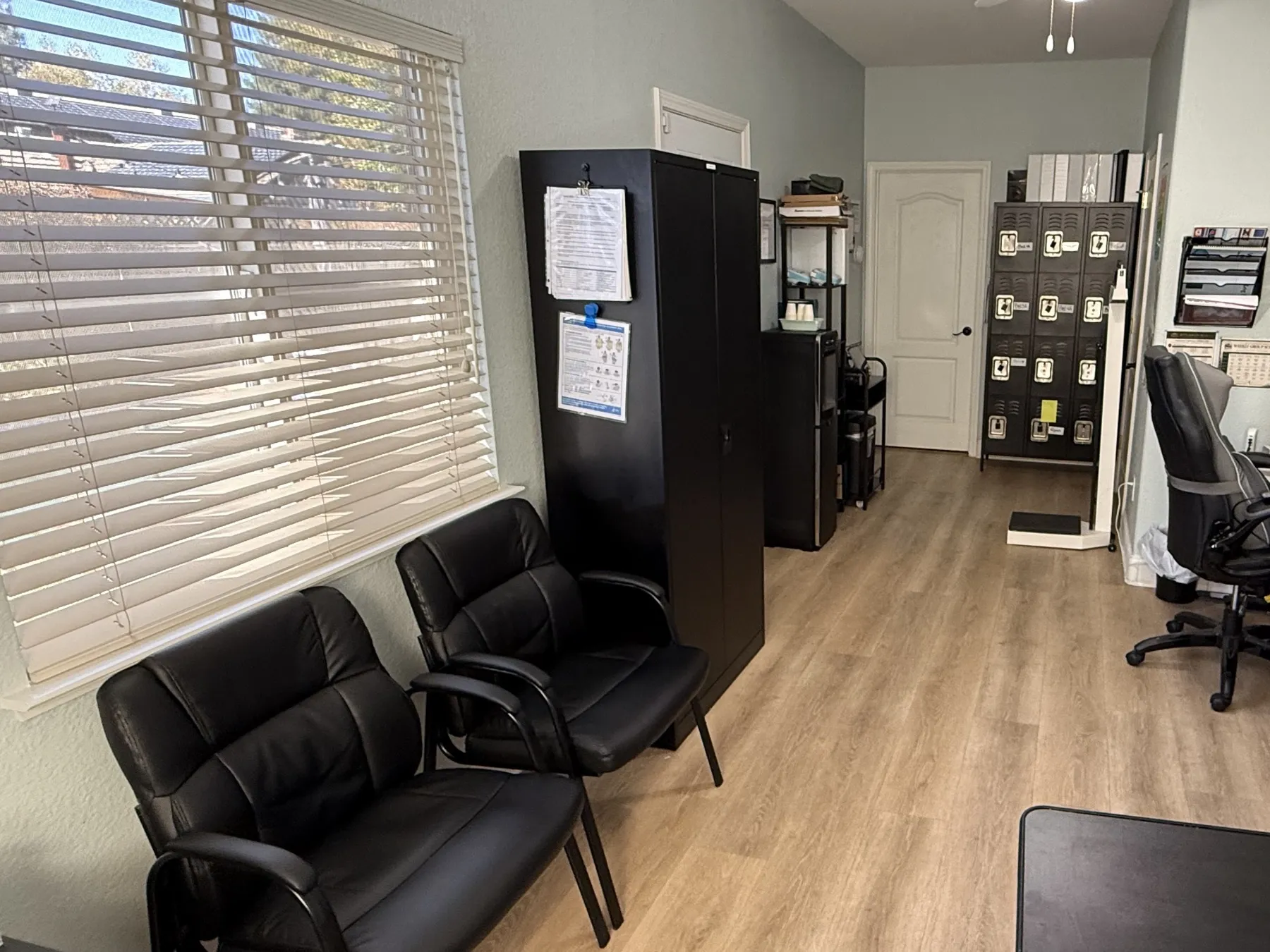
The house is staffed 24 hours a day, seven days a week, including weekends and holidays. The team includes behavioral health technicians, EMTs, counselors, therapists and nursing professionals. Our medical providers and nursing supervisor are on call around the clock for medical consultation and clinical direction whenever it’s needed.
Our Medical Director, Dr. Bobby Singh, a Stanford-trained physician double board-certified in internal medicine and addiction medicine, provides medical oversight of the program. Meet the team.
How Withdrawal Is Managed Here
An assessment when you arrive
Our medical provider reviews what you’ve been using, how much and for how long, your health, any mental health concerns and how you’re feeling right now.
A medication plan built for you
Based on that assessment, the provider sets your protocol. It may include a scheduled taper and medications to ease specific symptoms.
Regular checks
Staff make regular rounds, check your vital signs and use standardized withdrawal scoring tools suited to what you’re coming off. How often depends on your symptoms.
Adjustments as you change
If your withdrawal scores, vital signs or symptoms change, the medical provider reviews what’s needed and can adjust your plan. Medications are given according to the prescriber’s orders.
There’s no one-size-fits-all detox. Two people coming off the same substance can need very different plans, and yours is built around you.
If Withdrawal Gets Harder Than Expected
Withdrawal can be unpredictable. If your symptoms become concerning or move outside what’s expected, the team escalates right away to the medical provider, who decides whether to change your protocol, evaluate you further or move you to a higher level of care. If your needs ever go beyond what we can safely provide here, we arrange a transfer to a setting that can.
Why Withdrawal Shouldn’t Be Faced Alone
Stopping some substances suddenly can be dangerous. According to MedlinePlus, alcohol withdrawal symptoms usually start within 8 hours of the last drink and peak between 24 and 72 hours, and a severe form can cause confusion, hallucinations and seizures. The FDA warns that stopping benzodiazepines abruptly or lowering the dose too quickly can cause withdrawal reactions, including seizures, that can be life-threatening.
Opioid withdrawal is rarely life-threatening on its own, but it’s so uncomfortable that many people use again just to make it stop, and after a break, a smaller dose can be enough to cause an overdose.
Substances We Help People Detox From
Using meth or cocaine? Stimulant withdrawal usually doesn’t need the same kind of detox, and many people can start directly in residential treatment. We’ll help you figure out the right starting point.
How Long Detox Usually Takes
Every person is different. Here’s what we typically see:
- 7 to 10 days
Alcohol
Symptoms usually peak in the first few days, then ease as your body settles.
- 7 to 10 days
Opioids and fentanyl
Including kratom and 7-OH, which act on the same receptors in the brain.
- 14 to 21 days
Benzodiazepines
Slower on purpose, because coming down too fast can be dangerous. Some people need a longer taper.
- Every day
Based on you
Your length of stay depends on how your body responds, not a fixed number.
Is Detox Here Right for You?
We look at every person individually. Having a medical condition, a mental health diagnosis or a past hard withdrawal doesn’t automatically rule you out. What matters is how you’re doing now and whether our level of care fits your needs. Some people need more intensive medical or psychiatric care first, and if that’s you, we’ll help you find it and give you a clear next step rather than leave you to start over.
Not sure whether you need detox at all? Our guides on signs you may need detox and whether you can stop at home walk through what matters. A confidential phone assessment helps us understand your situation and find the right next step.
For a lot of people, withdrawal is the part they’re most afraid of. We want them to feel comfortable asking questions, telling us how they’re doing and knowing what to expect. Nobody should feel like a burden because they need help.
Rest and Recover in Comfort
Your main job during detox is to rest. Meals are nutritious and thoughtfully prepared, rooms are private or semi-private with no more than two people to a room, and every client has their own TV and Bluetooth headphones for downtime. Groups are open to you when you feel up to them, but rest and safety come first. We want you to feel like a guest, not a case number.




After Detox
Detox gets your body through withdrawal. It doesn’t build the skills or the plan that help you stay stopped. That work happens in treatment afterward, which for many people means residential treatment, typically another three to four weeks, with counseling, daily groups and a psychiatric evaluation for every client. Your next step is planned with you before detox ends.
Getting In Can Happen Fast
Admissions run 24/7. When you call, our admissions team will check your insurance or talk through payment and help with transportation if you need it, and our team will complete a confidential phone assessment that usually takes about 30 minutes. Same-day admission is often possible.

What to Bring to Detox
Less is better. Bring a photo ID, your insurance card if you have one, any prescription medications in their original bottles, about a week’s worth of comfortable clothes, basic toiletries and any nicotine products you use. Phone use is allowed with approval from our clinical team. See the full packing list.
Paying for Detox
Many insurance plans help cover detox and residential treatment. Our team will check your benefits and explain what your plan covers. Verify your insurance online, or call and we’ll do it with you.
Questions About Detox
Do I need detox before residential treatment?
Not always. It depends on the substance, how much and how long you’ve been using. We’ll help you figure out the right starting point when you call.
Who checks on me during detox?
Our team makes regular rounds, checks your vital signs and uses standardized withdrawal scoring, and our medical providers and nursing supervisor are on call whenever they’re needed.
Is detox painful?
Withdrawal can be uncomfortable. Your medication plan is designed to ease symptoms, and it’s adjusted if they change, so you’re as comfortable as possible.
Do you provide methadone?
No. Methadone isn’t given or continued here. If you take it and want to come off it, call us. We can provide medically supervised withdrawal from methadone here when our medical provider determines it’s safe and appropriate.
What if I already take Suboxone or Vivitrol?
You’re welcome here. Our medical provider may continue buprenorphine (Suboxone) or naltrexone (Vivitrol) when it’s right for you, and can also start one if your assessment points that way.
What if my withdrawal symptoms are already severe?
If you’re having seizures, severe confusion or hallucinations right now, seek emergency medical care immediately. Once you’re medically stable, call us and we’ll talk through next steps.
Can I go to groups during detox?
Yes, if you feel up to it. Rest and safety come first, so groups are optional during detox.
Google reviews