
Residential Addiction Treatment in Yuba City
Step Away From the Chaos and Do the Real Work
Living here during treatment means a full, structured day of therapy, counseling and mental health care in a comfortable home, away from the pressures and triggers of everyday life.
A real person answers 24/7, and same-day admission is often possible.
Clinically reviewed by Dr. Bobby Singh, Medical Director
Six Clients at a Time
By choice, so care stays personal
Mental Health Built In
A psychiatric evaluation for every client
Detox and Residential Together
Same home, same team, no transfer
Stopping is one thing. Staying stopped is another. Residential treatment gives you time away from the people, places and routines tied to using, so you can figure out what’s been driving it and build a life that doesn’t need it. You live here, eat here, sleep here and work on recovery every day, with a team that gets to know you.
Residential rehab gives you more support than outpatient treatment can. You live here for your whole stay, with therapy and clinical care built into every day. Our program provides ASAM Level 3.5 residential care, and if you need detox first, you do it right here, with no transfer to another facility.
Melanie and Stephen limit the program to six clients at a time on purpose, even though the home has room for more. That means intimate groups, a calmer house and never feeling like just another number.
Who Residential Treatment Is For
- Outpatient treatment hasn’t been enough, or you keep starting over
- Home is full of triggers, or the people around you are still using
- Drinking or drug use is costing you your job, relationships or health
- You’re dealing with depression, anxiety or trauma alongside the addiction
- You just finished detox and know you need more support
Not everyone needs residential care, and that’s okay. When you call, we’ll ask about what’s been going on and give you a straight answer about where to start, whether that’s detox, residential treatment or a different kind of program that fits you better.
Many people come to us after a hard moment that made it clear something has to change. You don’t need to have it all figured out. Wanting things to be different is enough to start.
We’ll Be Honest With You
Recovery takes honesty, even when the conversations are hard. Our team won’t just tell you what you want to hear. We’ll tell you what we’re seeing and what we think needs to change, in a way that helps you actually hear it without feeling called out. That’s how trust gets built, and it’s where real change begins.
What Treatment Here Includes
Whether you come to us straight from detox or start here, residential care means a full day on a structured schedule:
- One-on-one sessions with a certified addiction counselor
- Daily group therapy, kept intimate so it’s easier to speak up
- Brainspotting with our psychologist
- Cognitive behavioral therapy
- Relapse prevention and coping skills
- Vibroacoustic therapy and mindfulness
- Family sessions, by phone or in person
Mental Health Care Is Part of Every Plan
In our experience, nearly everyone who comes to us is also struggling with depression or anxiety, and many carry trauma. That’s why mental health care is built into residential treatment here, not handled separately. Every client receives a psychiatric evaluation from our physician assistant, who can prescribe medication when it’s needed and stays in close contact with our nurse and program director to make sure it’s working.
Our psychologist also meets with clients one on one for in-depth mental health assessments, to help with the emotional weight that so often makes recovery harder. Learn more about dual diagnosis care.
A Typical Day
Every day has a rhythm, from a morning check-in to an evening group.
- Morning
Check-in and group
Start the day together, then a group on topics like emotional regulation or relapse prevention.
- Midday
Recovery skills
Practical skills for recovery, or a group on family and addiction, then lunch.
- Afternoon
Groups and one-on-one time
Mindfulness and values groups, with one-on-one sessions fit in around them.
- Evening
Dinner and a 12-Step group
Look back on the day, share a meal and end with a recovery group.
Structure matters when someone’s life has felt out of control. At Butte Horizon, we give people a daily routine, a comfortable place to rest and time to focus on recovery. It gives them room to start building habits they can carry into life after treatment.
A Home, Not a Hospital
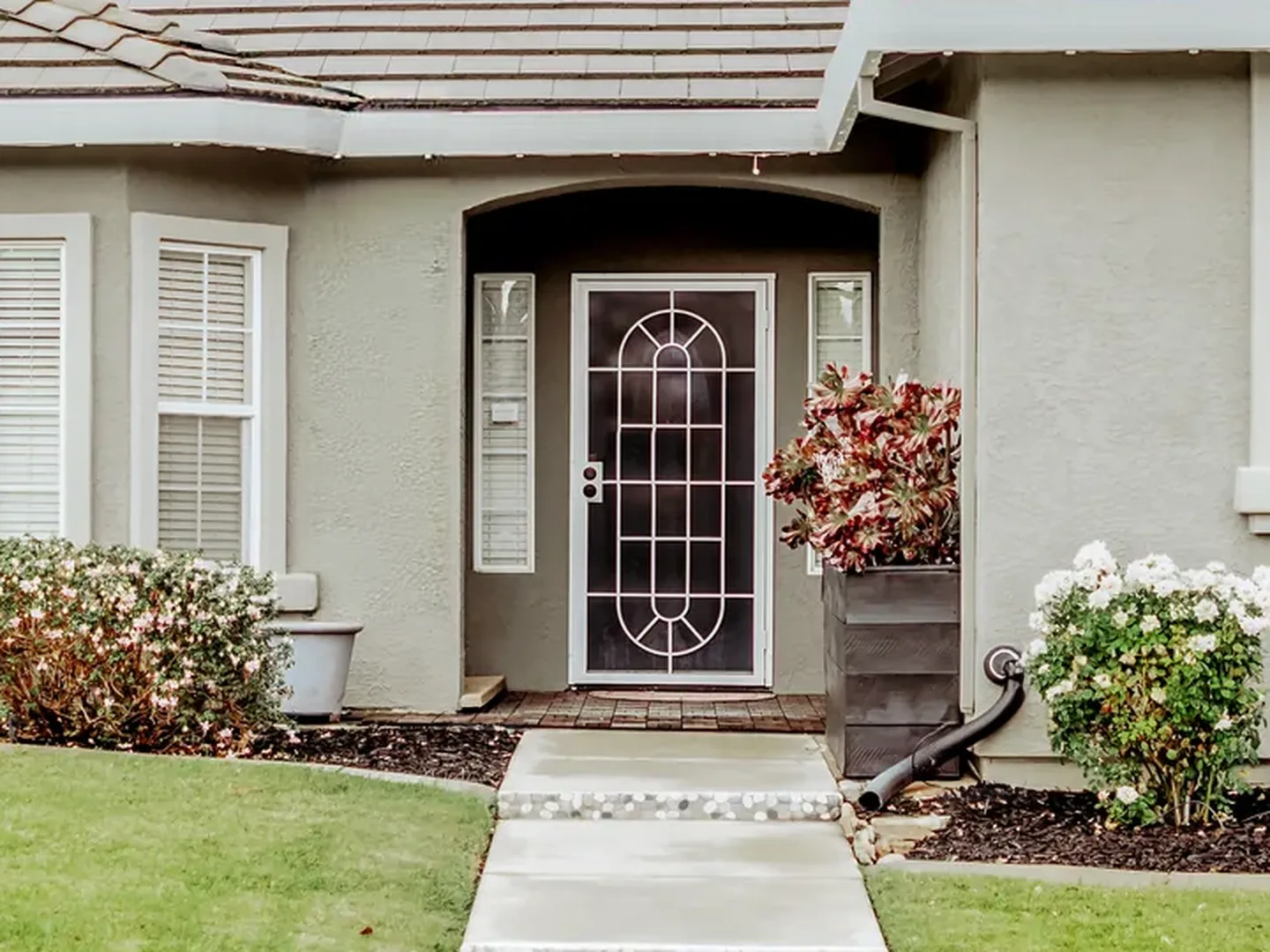
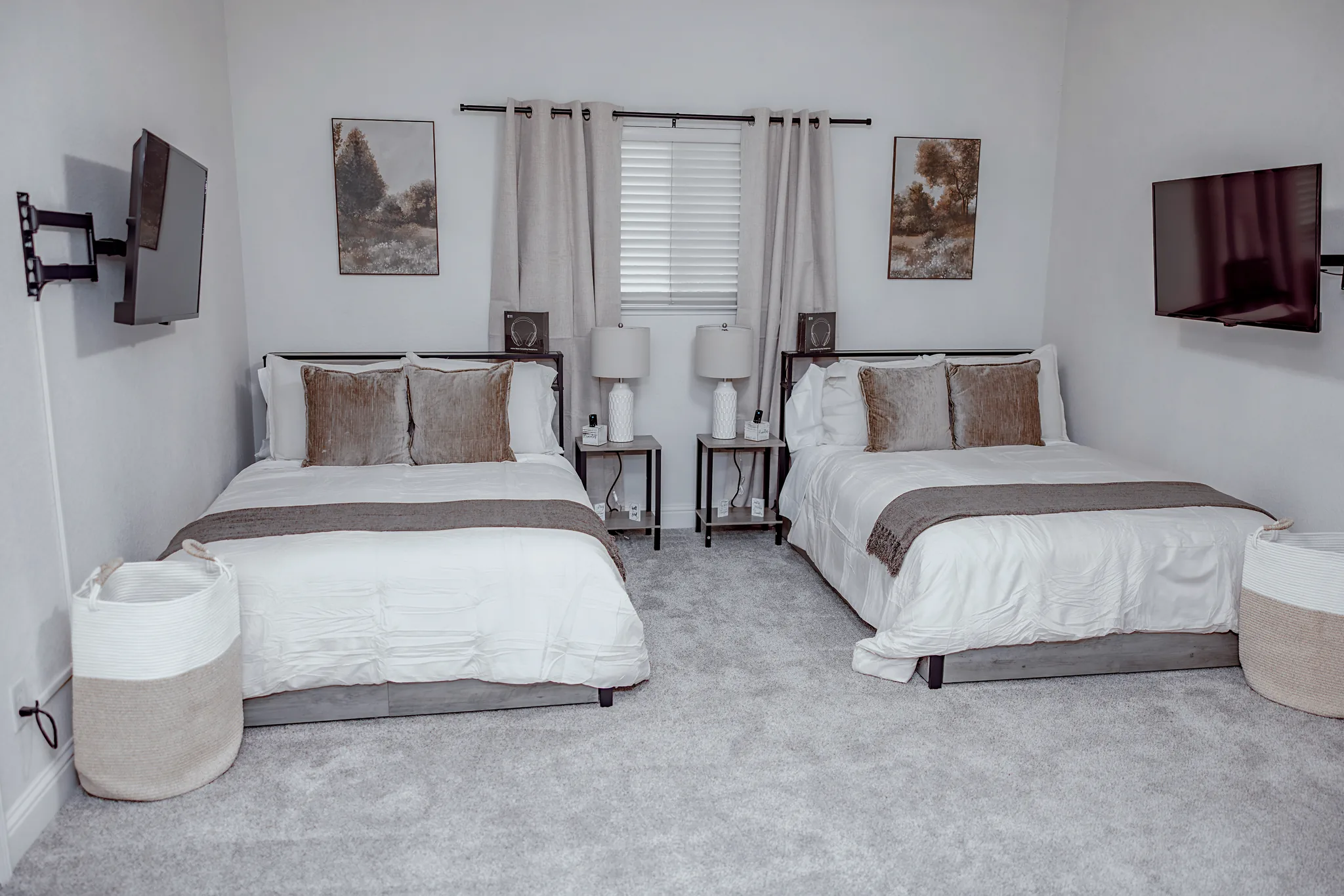
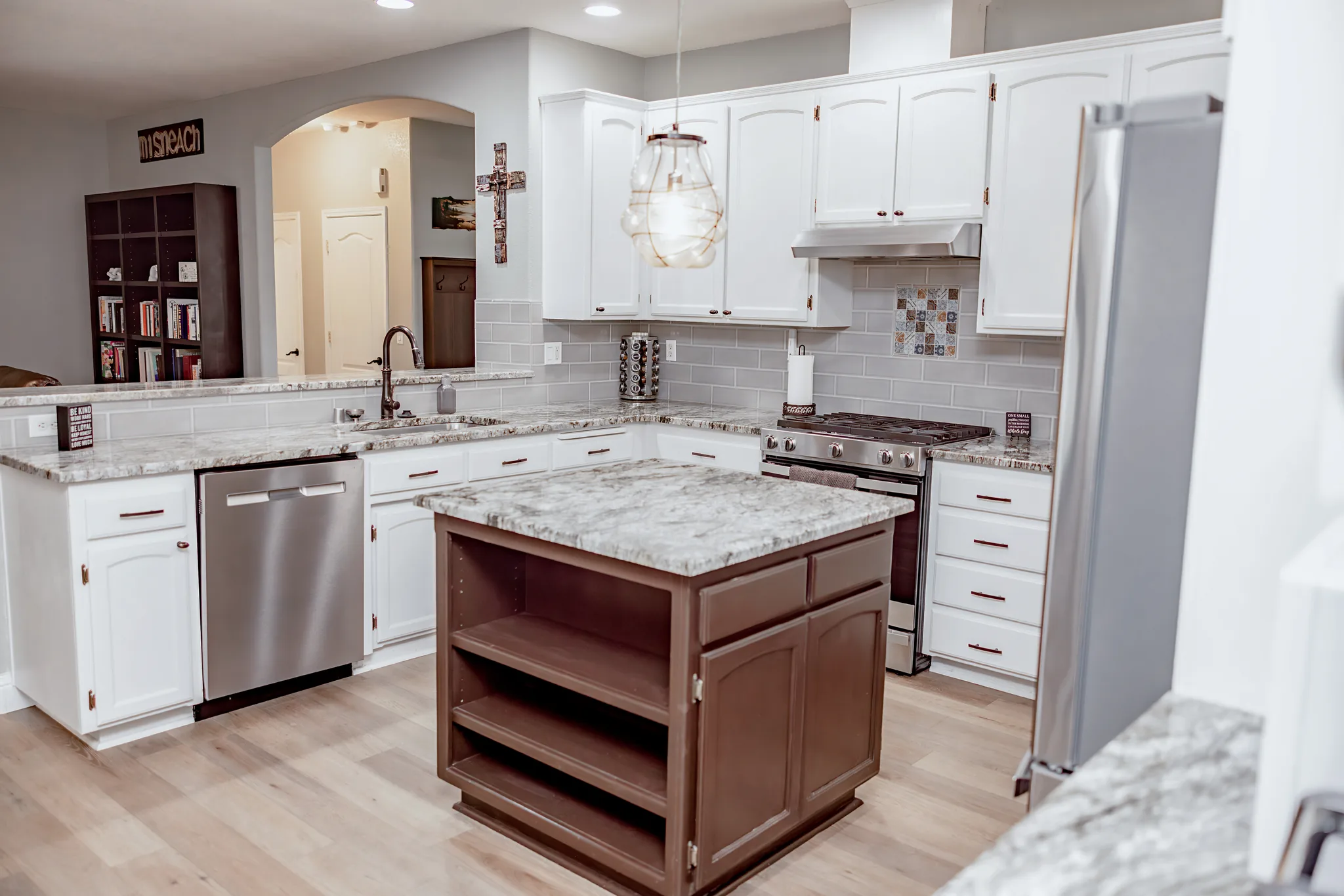
Butte Horizon sits in a quiet cul-de-sac in Yuba City. Rooms are private or semi-private, with never more than two people to a room or a bathroom. The owners hand-picked every bed, and each client has their own TV and Bluetooth headphones for nights when sleep won’t come.
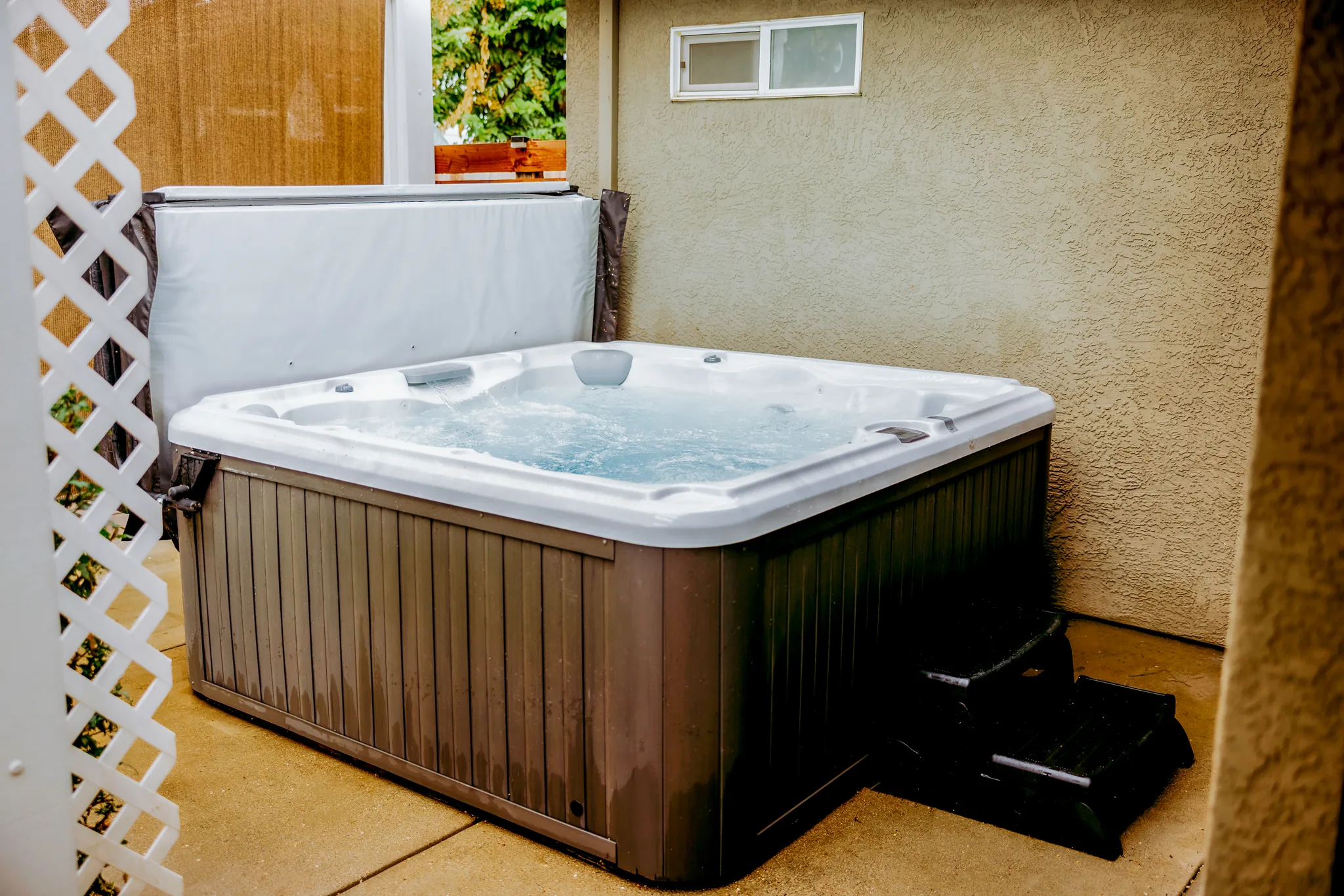
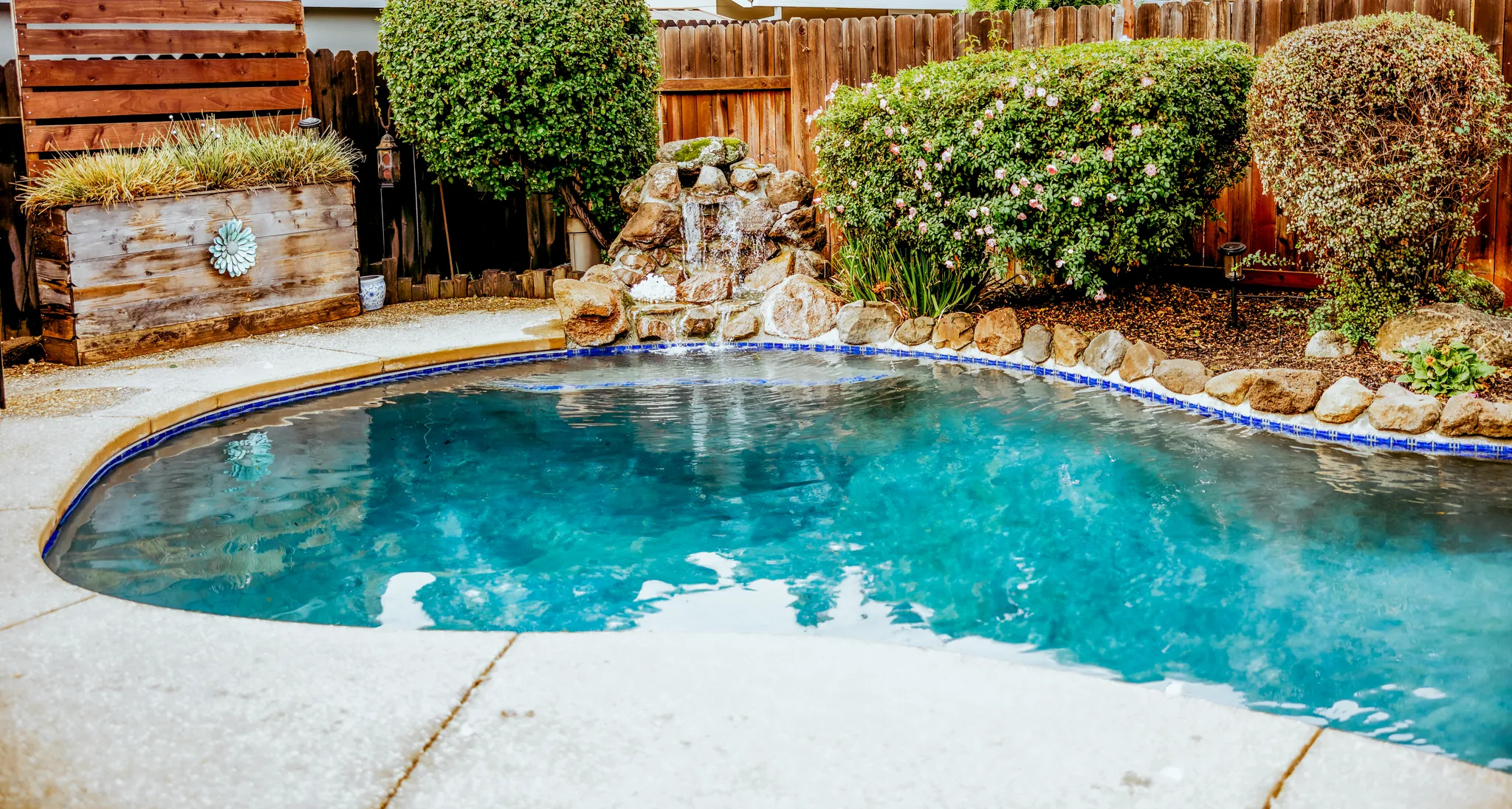
Outside, there’s a pool, a hot tub and a garden to sit in between sessions. With six clients in the house, groups stay intimate, so you’ll never feel lost in a crowd.
Your Stay, Start to Finish
Your First Few Days
The first days are about settling in. You’ll get to know the house, your room and the team, meet with your counselor and start easing into the schedule. If you came straight from detox, there’s no move and no new building, just a gentle shift into a fuller day.
How Long People Stay
Most people stay about 3 to 4 weeks in residential treatment, not counting any time in detox. We assess every client daily, and your length of stay is based on your progress and medical need, not a fixed number of days.
What Changes Over Your Stay
Most people notice changes they didn’t expect: sleeping through the night, eating regular meals, laughing in group, feeling less on edge. By the time discharge planning starts, you’ll have a clearer picture of your triggers, a set of skills that work for you and a plan for what comes next.
Planning for Life After Treatment
Before you leave, you work directly with your counselor on a discharge plan built around your situation. Depending on your needs, that may include a partial hospitalization program, intensive outpatient treatment or sober living. Recovery doesn’t end when you walk out the door, so the plan is about giving you the best chance once you’re home.
Bringing Your Family Along
Addiction affects the whole family. We hold family sessions by phone or in person, especially for anyone returning home after discharge, so the people you live with know how to support you and how to hold healthy boundaries. About our family program.
Getting Started and Paying for Care
Admissions are open 24/7, and getting here takes three steps:
Talk with us
Call anytime and you’ll reach a caring member of our admissions team. Tell us what’s going on and ask anything you want.
A short phone assessment
About 30 confidential minutes to understand what you need, talk through treatment options and go over your insurance benefits or payment.
Make a plan to get here
If residential care is the right fit, we’ll set your admission date and help with transportation if you need it. Same-day admission is often possible.
If you have insurance, we’ll check your benefits and walk you through what your plan covers. Verify your insurance online, or call and we’ll do it with you.
Questions About Residential Treatment
Do I have to go through detox first?
Not always. If your body needs it, detox comes first in the same home. If not, you can start residential treatment right away.
Is residential treatment the same as inpatient rehab?
People often use the two terms the same way, since both mean living at the program during treatment. Hospital-based inpatient care is a more medical level of care, though. Butte Horizon provides ASAM Level 3.5 residential treatment in a home, with nurses, EMTs, a physician assistant and physicians on call.
Can I use my phone?
Phone use is allowed based on our clinical team’s approval. We’ll explain how it works when you arrive.
Are rooms private?
We have two private rooms, and the rest are semi-private, with no more than two people to a room. Private rooms go first to people who need one, such as someone with trauma or a CPAP machine, and otherwise open up as clients complete treatment.
What if I have a job or kids at home?
Call and talk it through with us. Many people worry about time away, and we’ll help you think about what’s possible.
Google reviews