
Mindfulness in Addiction Recovery
Stay With Hard Feelings Instead of Escaping Them
Mindfulness helps you notice thoughts, feelings and physical sensations without immediately reacting to them, a skill you practice during residential treatment and take home.
A real person answers 24/7, and same-day admission is often possible.
Clinically reviewed by Dr. Jason Wilson, PsyD, LPC, Clinical Director
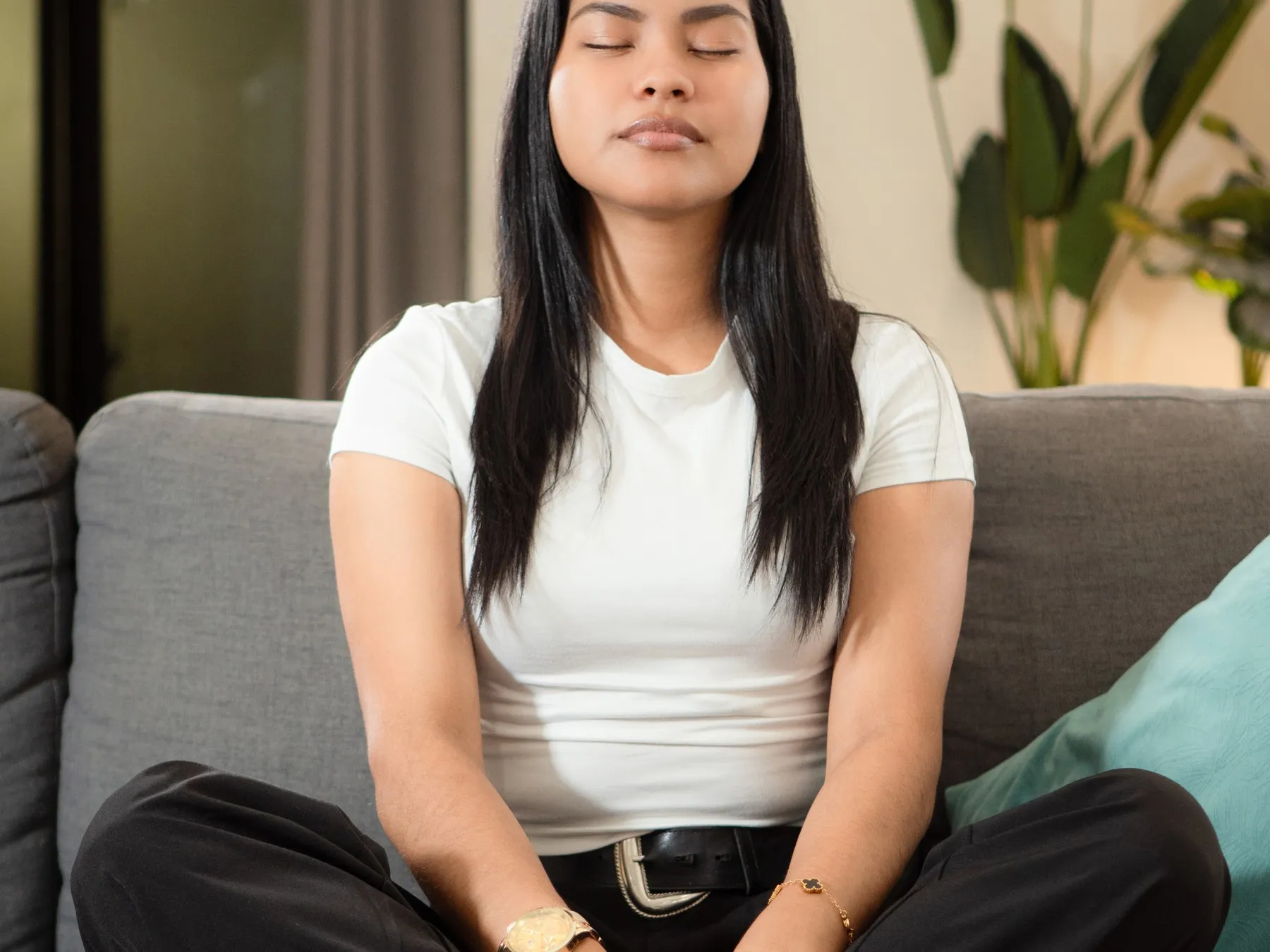
In recovery, mindfulness can mean recognizing a craving as it starts, pausing when stress builds or choosing a different response instead of falling back into an old habit. For some people, drinking or using was the fastest way to make a hard feeling stop, and mindfulness offers another way to meet it.
What Mindfulness Is
Mindfulness means paying attention to the present moment on purpose, without judging it. That includes your breathing, your body and your thoughts. It’s not about emptying your mind, and it isn’t just about relaxing. Thoughts will come. The practice is noticing them and gently coming back, which is a skill for handling discomfort as much as anything else.
Riding Out a Craving
One way mindfulness is used in recovery is sometimes called urge surfing. Cravings can rise and fall in intensity, and mindfulness helps you notice those changes without acting on them right away.
- Notice
Recognize the urge
You feel the pull begin. Instead of reacting, you name it.
- Breathe
Pause and observe
You slow down and pay attention to what you’re feeling in your body and mind.
- Ride
Stay with the changes
The urge may build, shift or ease. You watch it without acting on it.
- Choose
Decide your next step
Use another coping skill, change what you’re doing or reach out to someone you trust.
Not every craving fades during one exercise, and that isn’t failure. Mindfulness is one tool among several, alongside the others you’ll build in treatment.
What Mindfulness Practice Can Include
- Simple breathing exercises you can use anywhere
- Noticing a craving without acting on it
- Practicing grounding techniques during stressful moments
- Body scans to notice tension and other physical sensations
- Quiet time to slow down
You don’t need long sessions. Short, simple exercises are a fine place to start, and like other recovery skills, mindfulness may become easier to use with practice, though it won’t work the same way in every situation.
Recovery puts you in situations where you can’t always change how you’re feeling right away. What I like about mindfulness is that it gives people a chance to slow down, recognize what’s happening and think about how they want to respond. That can be a valuable skill to practice while they’re here and take home with them.
Mindfulness at Butte Horizon
“Mindfulness for Recovery” is a group on our weekly schedule during residential treatment. Mindfulness skills also connect with the other work you do here, including CBT and relapse prevention. The backyard, pool and garden offer quiet places to step away between sessions.
Mindfulness can also help with patterns like worry, racing thoughts and low moods. When anxiety, depression or trauma-related symptoms are part of the picture, it can be one part of your dual diagnosis care.
Questions About Mindfulness
Is mindfulness religious?
Mindfulness can be practiced without religious beliefs. In addiction recovery, it often involves practical exercises like breathing, noticing thoughts and paying attention to the present moment.
What if I can’t sit still?
That’s common at first. Short, simple exercises are a good place to start.
Will I keep using it after treatment?
That’s the hope. These are skills you can practice anywhere, whenever a craving or stress shows up.
Google reviews