
Prescription Painkiller Addiction Treatment in Yuba City
When the Prescription Became the Problem
If you’ve become dependent on oxycodone, hydrocodone, Percocet or another opioid pain medication, we can help you get through withdrawal and build a life that doesn’t revolve around the next refill.
A real person answers 24/7, and same-day admission is often possible.
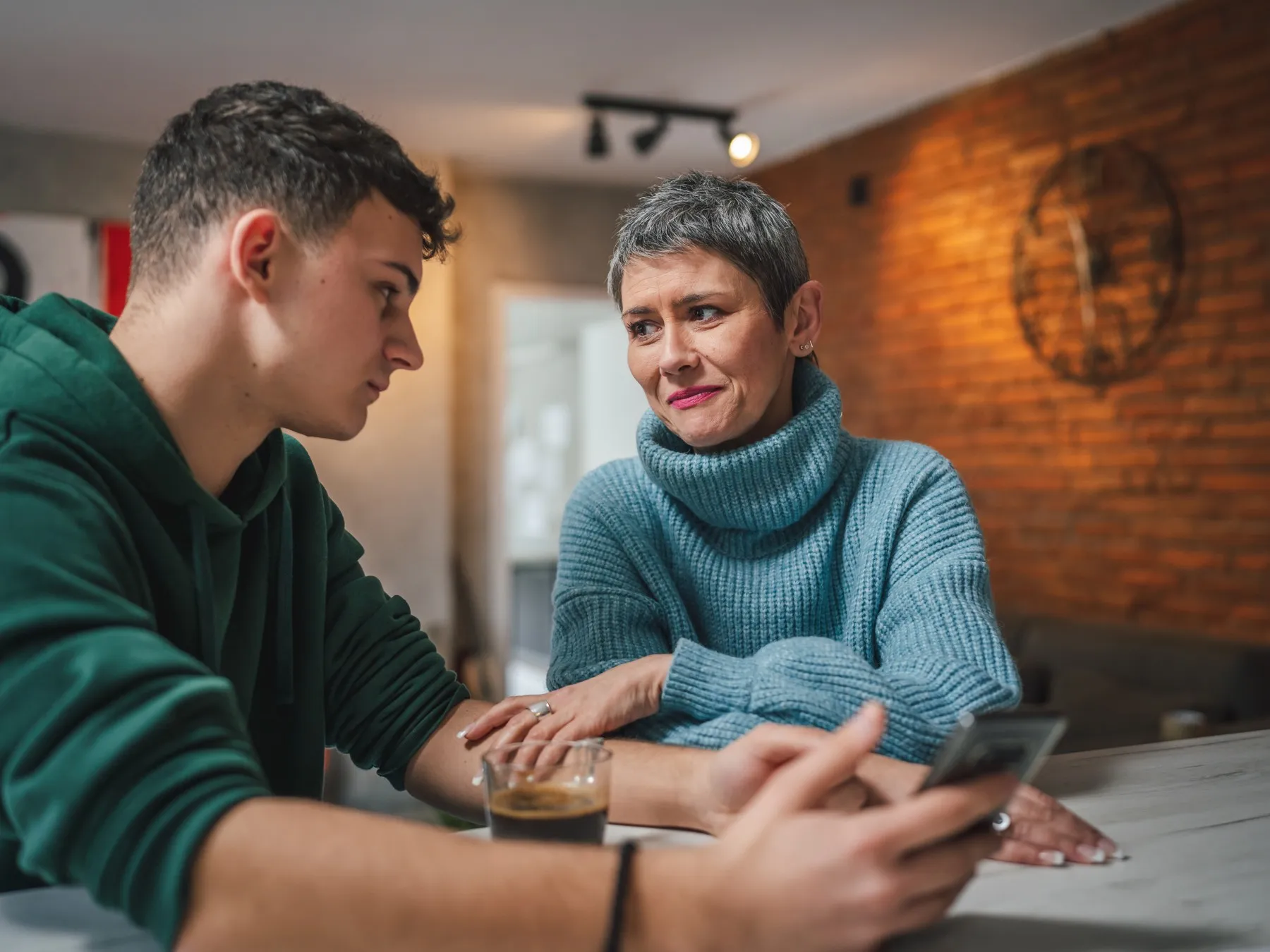
People can become physically dependent on opioid pain medication even when taking it as prescribed. For some, treatment began after an injury, a surgery or ongoing pain, and over time they had withdrawal when they tried to cut back or stop. Others developed patterns of misuse or addiction. Whatever your experience, you deserve a conversation without judgment.
Painkillers We Treat
We treat dependence on any opioid pain medication. Some of the most common include:
- Hydrocodone (Vicodin, Norco, Lortab)
- Oxycodone (OxyContin, Percocet, Roxicodone)
- Hydromorphone (Dilaudid)
- Tramadol (Ultram)
- Codeine, including Tylenol with codeine and prescription cough syrups
- Morphine
- Oxymorphone (Opana)
- Tapentadol (Nucynta)
- Prescription fentanyl, including patches
Some of these surprise people. According to MedlinePlus, opioids include prescription pain relievers such as tramadol, and tapentadol belongs to the same class of medications. If you take methadone for pain, we don’t continue it during your stay, but we can help with medically supervised withdrawal from methadone when our provider determines it’s safe. Don’t see yours? Call us and we’ll tell you honestly whether we can help.
Dependence and Addiction Aren’t the Same Thing
The National Institute on Drug Abuse notes that prescription opioids are generally safe when taken for a short time as prescribed, but they can be misused. Prescribed use, physical dependence and misuse or addiction can look alike from the outside, but they mean different things:
| What it is | What it can look like | |
|---|---|---|
| Prescribed use | Taking an opioid pain medication as your prescriber directed | A prescription after an injury, surgery or for ongoing pain |
| Physical dependence | Your body has adapted to the medication. It can happen even when you take it exactly as prescribed, and it isn’t the same as addiction | Withdrawal symptoms when the dose is lowered or stopped |
| Misuse or addiction | Using the medication in ways other than prescribed, or losing control over your use | Taking more than prescribed, using someone else’s pills, seeking extra prescriptions, buying pills outside a pharmacy, or continuing despite the harm |
If you’re not sure which describes you, that’s exactly what an assessment is for. If you take your medication as prescribed, talk with your prescriber before changing anything.
Signs It’s Gone Past Pain Relief
- You take more than prescribed, or take doses early
- You run out before the refill and feel sick until you get more
- You’ve seen more than one doctor or turned to pills from friends or the street
- You think about your next dose more than about the pain itself
- You’ve tried to cut back and couldn’t
A lot of people we talk to started with a real prescription and real pain. Somewhere along the way the pills stopped being about the pain, and that’s hard to admit. There’s no shame in it. We help people figure out what comes next.
Pills From Outside a Pharmacy Aren’t What They Seem
When prescriptions run out, some people buy pills from friends or online. That’s where the risk jumps. According to NIDA, fentanyl is pressed into counterfeit pills made to look like real prescriptions, and even a small amount can cause a fatal overdose.
A pill that looks exactly like the oxycodone you were prescribed may not be.
NIDA also reports that some people who misuse prescription opioids switch to heroin, which can be cheaper and easier to get. Our opioid addiction page covers heroin too.
How We Help You Stop
If you need detox, our medical provider assesses you when you arrive and sets a medication plan for your withdrawal, and staff check your vital signs and withdrawal symptoms regularly. For most people, opioid detox takes about 7 to 10 days. After that, residential treatment gives you time to work on what comes next.
Some people find buprenorphine (Suboxone) or naltrexone (Vivitrol) helpful in recovery. If you already take one, or our provider thinks one could help, it can be part of your plan.
Every client also receives a psychiatric evaluation, because depression, anxiety and poor sleep often travel with long-term opioid use. Dual diagnosis care keeps both in the same plan.
If You Live With Chronic Pain
Your pain is real, and we take it seriously. We aren’t a primary care practice, but our medical provider looks at your pain individually and, where it’s appropriate, works toward non-narcotic options and less reliance on habit-forming medication.
We can’t promise that a current opioid prescription will be continued during your stay. That decision is made case by case, with your needs and the safety of everyone in the house in mind. Tell our admissions team about your pain and your medications on the first call, and talk with your prescriber before changing anything.
Calling for a Parent or Partner?
Watching someone you love become dependent on a medication a doctor prescribed is confusing and painful. You can call us for them. We’ll help you understand what’s happening and how to start the conversation.

Questions About Painkiller Addiction Treatment
I take my pills as prescribed. Can I still need help?
Yes. Physical dependence can develop even when medication is taken exactly as prescribed, and withdrawal symptoms don’t automatically mean someone has an addiction. If you’re having difficulty reducing or stopping your medication, speak with your prescribing clinician before making changes. Our admissions team can also talk through whether Butte Horizon is right for your situation.
How long does painkiller detox take?
For most people at Butte Horizon, opioid detox takes about 7 to 10 days, depending on what you take and how your body responds.
Should I just stop taking them on my own?
Talk to a medical professional first. Opioid withdrawal is very uncomfortable, and stopping without a plan often leads straight back to using.
Will you keep giving me my pain medication?
We can’t guarantee it. Our medical provider reviews each person’s pain and medications individually and looks for safer, non-narcotic options where they fit. Tell us what you take when you call so we can talk it through honestly.
Do you take insurance?
We work with most major insurance carriers, and our team will check your benefits for you.
Google reviews