
Brainspotting Therapy in Yuba City
A Different Way to Work Through Trauma
Brainspotting is a focused approach to trauma and painful emotions. Our Clinical Director, psychologist Dr. Jason Wilson, may use it as part of your residential treatment when it’s a good fit for you.
A real person answers 24/7, and same-day admission is often possible.
Clinically reviewed by Dr. Jason Wilson, PsyD, LPC, Clinical Director
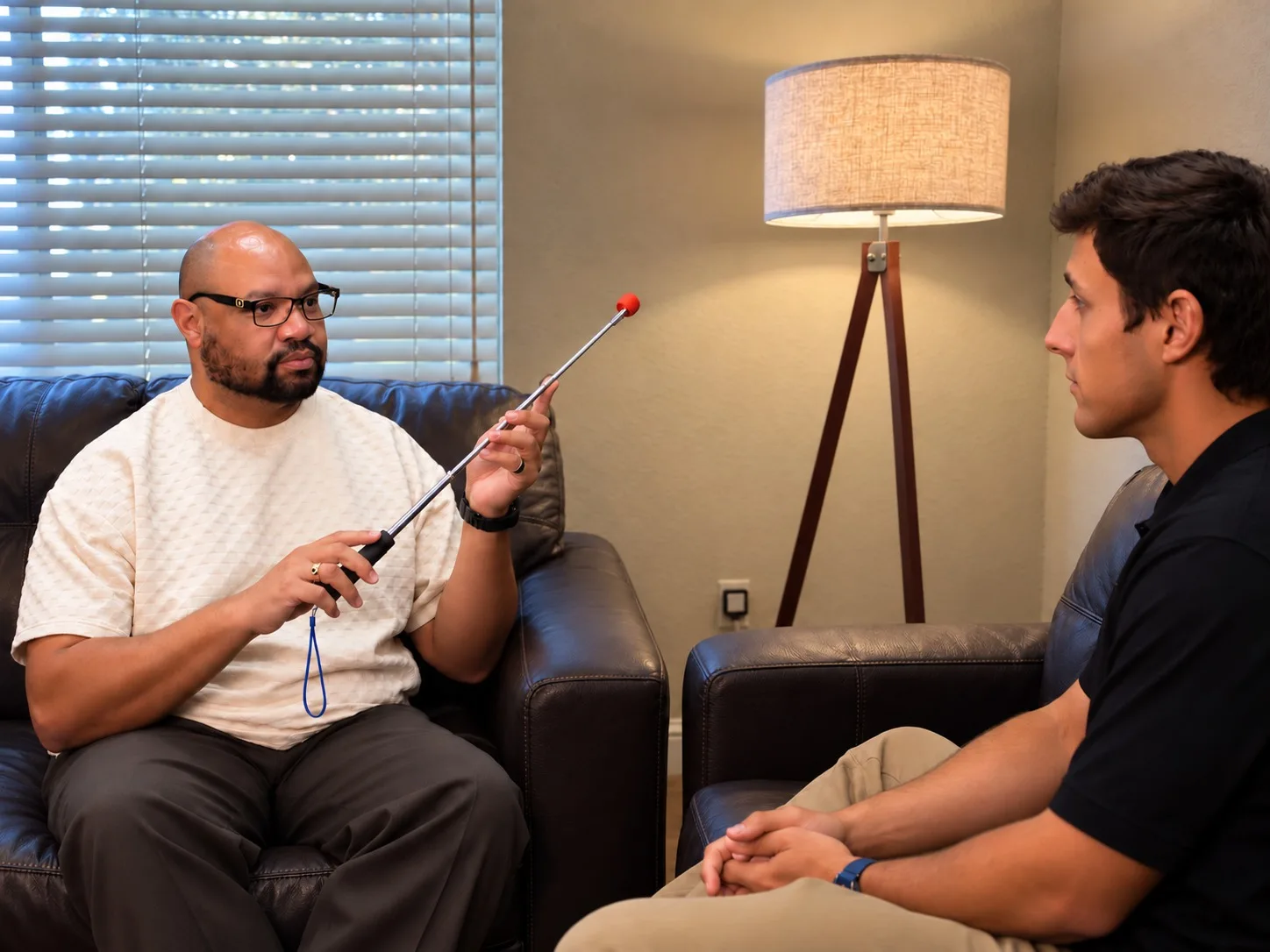
Some pain is hard to reach with words alone. You can talk about what happened many times and still feel stuck. For some people, brainspotting offers a different way in.
What Brainspotting Is
Brainspotting was developed in 2003 by psychotherapist David Grand. It uses focused eye positions and attention to what you’re feeling, emotionally and physically. With a therapist’s guidance, you find a point in your visual field that seems connected to a strong feeling, then stay with it and notice what comes up. The idea is that this can support emotional processing, though how it works, and how well, is still being studied.
What a Session Is Like
Settle in
You sit comfortably and talk briefly about what you’d like to work on.
Find the spot
Your therapist helps you find an eye position that seems linked to a strong feeling.
Stay with it
You focus there and notice what comes up, without having to describe every detail out loud.
Close the session
Your therapist helps you bring the session to a close and may use grounding techniques before you return to your day.
Everyone’s experience is different. Some people notice strong emotions or feel tired afterward, and others notice little change right away. Dr. Wilson will talk with you about how it’s going and whether it’s still the right fit.
Who Provides It Here
Brainspotting at Butte Horizon is provided by Dr. Jason Wilson, PsyD, LPC, our Clinical Director and a psychologist who served 21 years as a Naval Flight Officer. He’s also the clinician we prefer for combat Veterans living with PTSD. About Dr. Wilson.
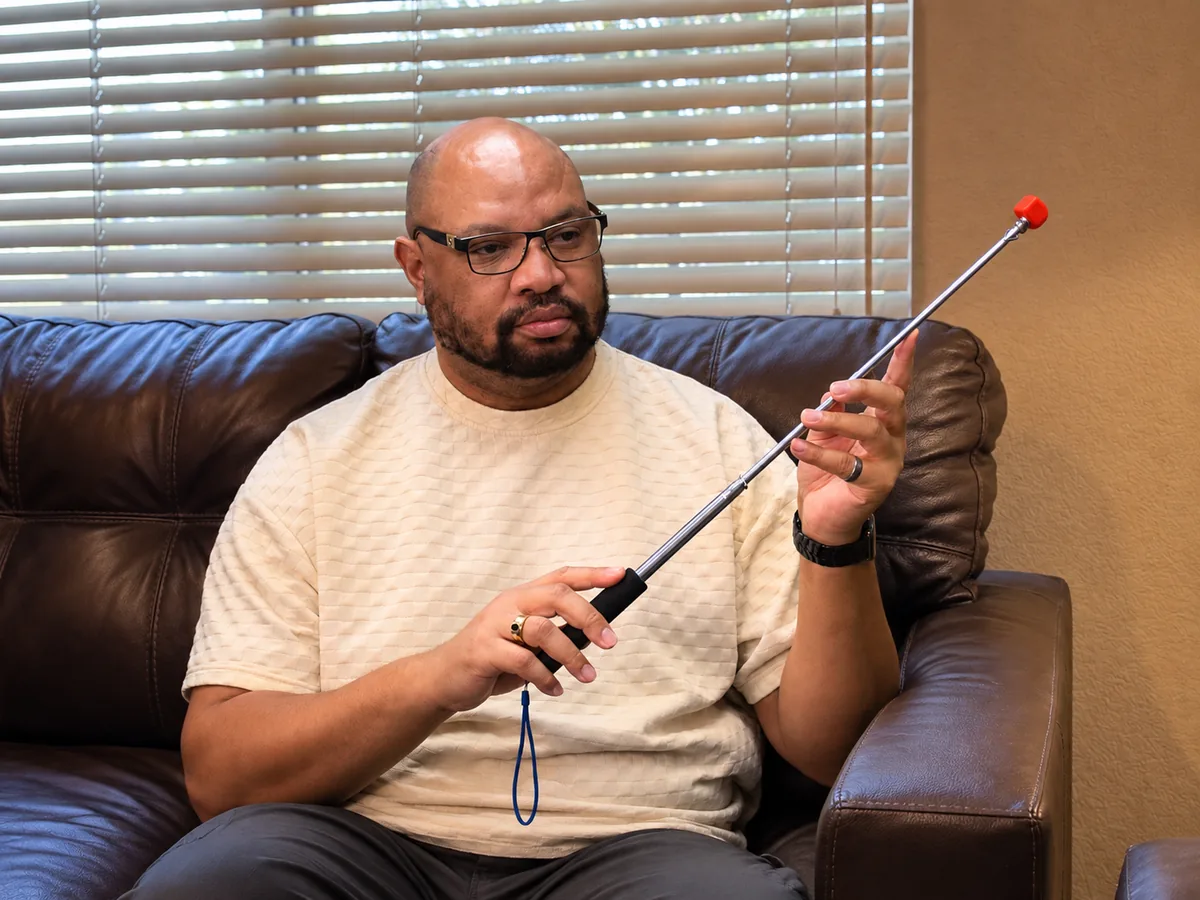
One thing I appreciate about brainspotting is that not everyone finds it easy to put painful experiences into words. For the right person, it gives our clinical team another way to approach trauma as part of their recovery. It’s not something everyone needs, but having that option matters.
Who Might Be a Good Fit
Brainspotting may be considered for people dealing with trauma-related symptoms or anxiety alongside substance use, especially if talking about something painful has felt stuck, or certain memories still hit you physically. Whether it’s right for you depends on your needs and goals, and it’s decided with your clinical team. It isn’t required, and your care here doesn’t depend on it.
What the Research Says
Brainspotting is a newer approach, and the research is still early. A 2017 study of 76 adults, co-authored by brainspotting’s developer, found that PTSD symptoms improved in people treated with brainspotting and in people treated with EMDR, with larger effects reported for EMDR. It was small, so it’s an early signal rather than proof, and larger, independent studies are needed. Brainspotting also isn’t among the first-line trauma therapies in major PTSD guidelines, such as the VA/DoD guideline.
That’s why we use it as one possible part of a broader plan, alongside counseling, groups and CBT, not instead of them.
Brainspotting as Part of Residential Care
Here, brainspotting is part of residential treatment, with sessions fitting around groups and counseling. Groups on emotional regulation and grief, mindfulness for grounding and vibroacoustic therapy, which may help your body relax, all support the work you do one on one.
Questions About Brainspotting
Do I have to talk about my trauma?
Not in detail. In brainspotting, you can notice what comes up without describing every part out loud.
Is brainspotting the same as EMDR?
They’re different approaches. Both work with the eyes, but brainspotting focuses on finding and holding a single eye position linked to a feeling.
Does everyone get brainspotting?
No. It’s used when it fits your needs, decided together with our clinical team.
Can I come to Butte Horizon just for brainspotting?
Brainspotting here is part of residential treatment, alongside counseling and groups. Call us and we’ll talk through whether our program fits what you’re looking for.
Google reviews